Top Home Addition Contractors in East Palo Alto for Second Story Additions
Transform Your Home: Creative Ideas for Stunning Home Additions
Transforming a home through strategic additions can substantially boost both its practical value and visual charm. From sun-drenched sunrooms that maximize daylight to large decks designed for hosting guests, the opportunities are endless. Growing important rooms, including kitchens, strengthens family bonds, while a new garage can resolve organization concerns. Grasping key design principles and proper planning is critical. Yet, what really drives homeowners to adopt these transformations? The answer rests in the remarkable impact of expertly completed home additions.
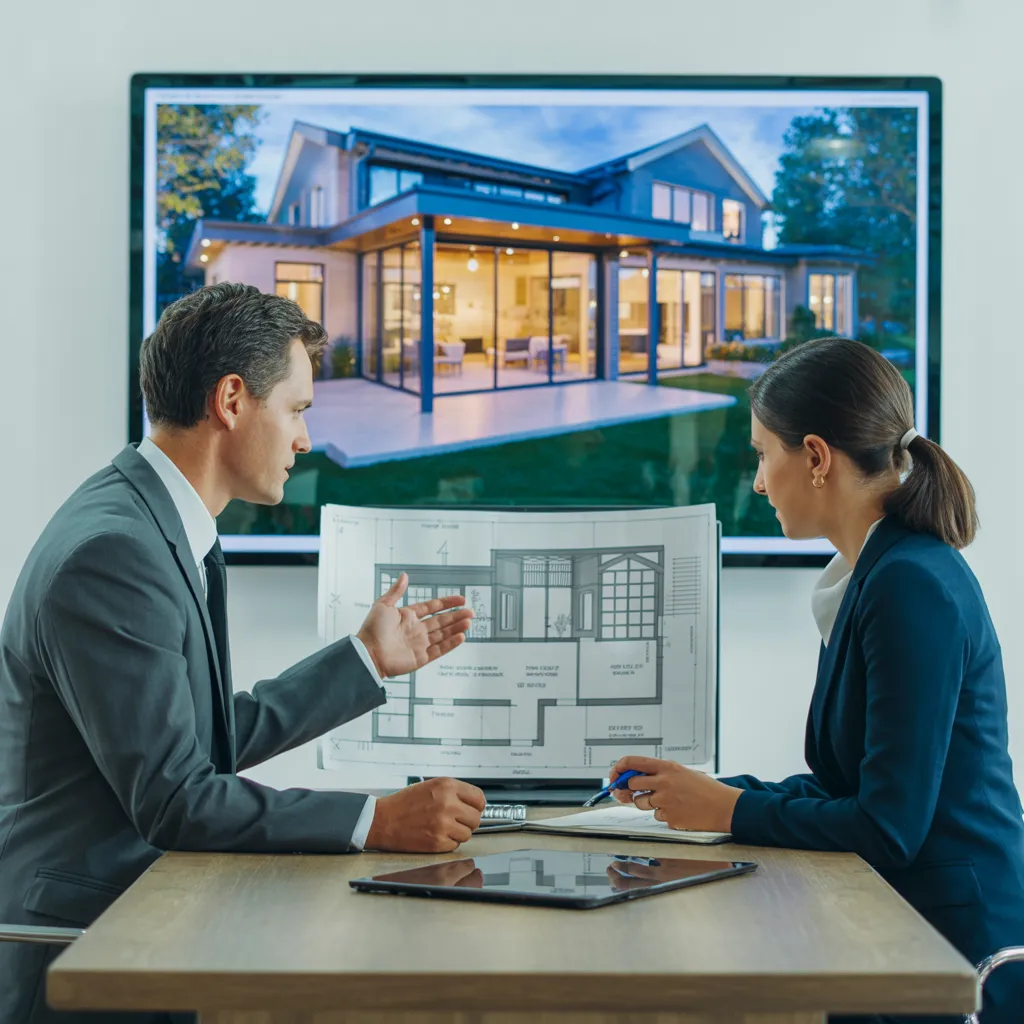
Uncover Leading Home Addition Ideas to Upgrade Your Space
Many homeowners actively pursue unique approaches to upgrade their homes, and examining well-known home expansion options can deliver meaningful changes. One highly popular choice is incorporating a sunroom, which allows sunlight to flow inside while forming a tranquil area for rest. Another appealing choice is a deck or patio, extending the living area outdoors and perfect for entertaining.
Homeowners might also think about expanding their kitchens, creating a more useful and appealing environment. Adding a garage not only supplies more storage capacity but may also be used as a dedicated workspace or hobby area.
For individuals seeking more sleeping areas, expanding the bedroom space can deliver the privacy and comfort needed. Additionally, repurposing attics or basements into usable spaces creates an opportunity for imaginative design while optimizing the available square footage. All of these concepts carry the potential to improve both practicality and visual appeal, ultimately turning a home into a more pleasant living space.
Why Home Additions Can Boost Your Lifestyle?
Home additions can considerably expand living space, providing families with room to grow and adapt. Moreover, enlarging a home can contribute to higher property value, making it a wise financial investment. Finally, these improvements commonly encourage closer family relationships by developing common areas for shared activities and gatherings.
Enhance Living Space
Expanding a home through home expansions can markedly enhance one's daily life by offering greater comfort and functionality. For households, extra rooms can address expanding needs, such as a playroom for children or a home office for remote work. A carefully planned addition can establish a seamless flow between interior and exterior areas, promoting leisure and connection. Moreover, including elements like large windows or open floor plans encourages a sense of openness and connection with nature. Upgraded home spaces also support customized design decisions, showcasing individual tastes and preferences. In summary, home expansions not only optimize existing areas but also develop spaces that enhance well-being and elevate everyday living.
Boost Property Value
Investing in home additions can significantly increase a home's market worth, making it a wise financial decision. By expanding square footage or introducing useful living zones, property owners can draw in prospective buyers and raise property values. Elements including additional bedrooms, updated kitchens, or flexible living spaces frequently generate impressive investment returns. Additionally, enhancements like sunrooms or decks not only enhance visual appeal but also satisfy contemporary living aspirations, ultimately enhancing marketability. A carefully designed expansion can turn a residence into a more desirable asset, responding to today's market conditions and buyer interests. Ultimately, well-considered property expansions represent an effective strategy for optimizing real estate worth while improving the day-to-day lifestyle of existing residents.
Foster Family Connections
A thoughtfully planned addition can significantly improve family relationships by creating spaces that foster interaction and closeness. Expansive floor plans, such as family rooms or generous kitchens, function as hubs for shared activities, encouraging communication and togetherness. Designated areas for hobbies or playrooms give children a place to interact, while adults can appreciate nearby social spaces. Additionally, incorporating outdoor living spaces, like patios or decks, permits families to congregate in a comfortable environment. These enhancements not only encourage everyday bonds but also create a backdrop for cherished gatherings and celebrations. Ultimately, well-planned home additions reshape living environments into supportive spaces that strengthen family ties, elevating overall quality of life.
Essential Design Elements to Enhance Your Home Addition
When homeowners consider a home addition, incorporating key design components can greatly boost both appearance and usability. Key elements include natural light, which can be accomplished using large windows or skylights, establishing a luminous and appealing area. Additionally, an open floor plan promotes seamless flow between current and added spaces, establishing an atmosphere of harmony.
Using complementary materials and colors ensures the addition harmonizes with the original structure, preserving design consistency. Thoughtful configuration of fixtures and furnishings enhances functionality, making the space practical for everyday life. Outside transitions, like a patio or deck, may expand living spaces and promote outdoor activities. Finally, energy-efficient designs, including proper insulation and sustainable materials, provide lasting financial benefits and environmental accountability. By focusing on these essential design elements, homeowners are able to develop a unified and attractive extension that elevates their lifestyle.
Plan Your Home Addition Project Effectively
Proper planning is essential for a successful home addition undertaking. Homeowners should begin by establishing their objectives, whether it's expanding their living area, improving usability, or elevating the property's worth. Developing a well-defined vision serves to navigate the construction and design journey. Additionally, reviewing regional zoning ordinances and construction codes is essential to secure conformity and sidestep potential obstacles.
Developing a roadmap that defines each phase of the project assists in maintaining direction and accountability. Residents may also want to consider working with specialists, for example designers or contractors, for expert advice and to streamline the project.
Furthermore, stressing the importance of communication among team members promotes cooperation and tackles problems as they emerge. Finally, considering long-term needs can help create an addition that stays practical and useful for years to come. By applying these principles, homeowners can navigate their home addition projects with greater confidence and clarity.
Financial Planning for Your Home Addition: Must-Know Tips
Creating a budget for a home addition demands thorough planning and careful thought to minimize surprise expenditures. Homeowners should begin by determining a practical budget that encompasses all components of the project, such as permits, building materials, labor costs, and contingency expenses. It is recommended to set aside an extra 10-20% of the overall budget for contingencies.
Researching and comparing costs from various contractors can offer useful information and assist in reaching well-informed choices. Furthermore, homeowners should prioritize their needs versus wants, guaranteeing that key components are incorporated while staying within their budget.
Developing a detailed timeline can aid in aligning costs with project phases, reducing monetary pressure. Additionally, working with a financial professional or a construction specialist can offer greater insight into possible expenses and funding solutions, guaranteeing that the spending stays on track throughout the residential addition endeavor. This thoughtful strategy facilitates a effective and economically viable home expansion.
Real-Life Home Addition Transformations to Inspire You
Remarkable home addition transformations highlight the impressive promise of private residences. One standout case is a small bungalow that experienced a stunning renovation with a clean-lined, modern extension. By adding a expansive kitchen and dining area, the property owners enriched their kitchen functionality while establishing a warm communal area for family and friends.
A remarkable transformation highlights a tiny home that extended skyward with a delightful loft, maximizing space while introducing a comfortable reading corner. This clever design not only enhanced practicality but also brought personality to the space.
At last, a ranch-style suburban residence welcomed a sleek look with a glass-walled sunroom, illuminating the interior with generous get more info natural light and providing breathtaking views of the backyard garden.
These real-world transformations showcase the diverse possibilities for home additions, encouraging homeowners to imagine their own distinctive upgrades and reimagine their home surroundings.
Questions We Often Receive
What Permits Are Required for a Home Addition Project?
For a home addition project, it is typically necessary to obtain a building permit, approval from the zoning board, and in some cases electrical or plumbing permits. Municipal regulations differ, so consulting with municipal authorities is essential to guarantee compliance with all requirements.
How Much Time Does a Standard Home Addition Usually Take?
An average home addition typically takes two to six months to be completed, depending on factors such as complexity, size, weather conditions, and permits. Thorough planning and an efficient contractor can greatly affect the overall timeline.
Can I Live in My Home During the Addition Process?
Yes, homeowners can often remain in their homes during the addition process. However, elements like the scale of the project, construction location, and sound levels may disrupt daily comfort and access, calling for temporary adjustments or accommodations during the building process.
What Are the Most Common Mistakes to Avoid When Planning an Addition
Frequent errors to watch out for when planning an addition consist of misjudging the overall budget, overlooking required permits, overlooking structural integrity, not considering long-term requirements, and not consulting professionals. Diligent preparation leads to more efficient execution and improved results.
How Can I Select the Best Contractor for My Project?
To select the right contractor, you should review credentials, verify recommendations, and establish effective communication. Comparing multiple bids and assessing previous work can assist in identifying dependability and suitability for the specific residential expansion project.